The Ultimate Guide to Choosing the Perfect Tennis Bracelet
Picking the perfect tennis bracelet requires careful consideration of numerous factors. From historical significance to modern styles, the selections can be overwhelming. Understanding the materials and designs is vital for making an informed decision. Moreover, determining the right fit and budget plays a critical role. As one navigates through these elements, the journey reveals beyond a piece of jewelry; it uncovers a lasting symbol of elegance and sentiment. What comes next may astonish you.
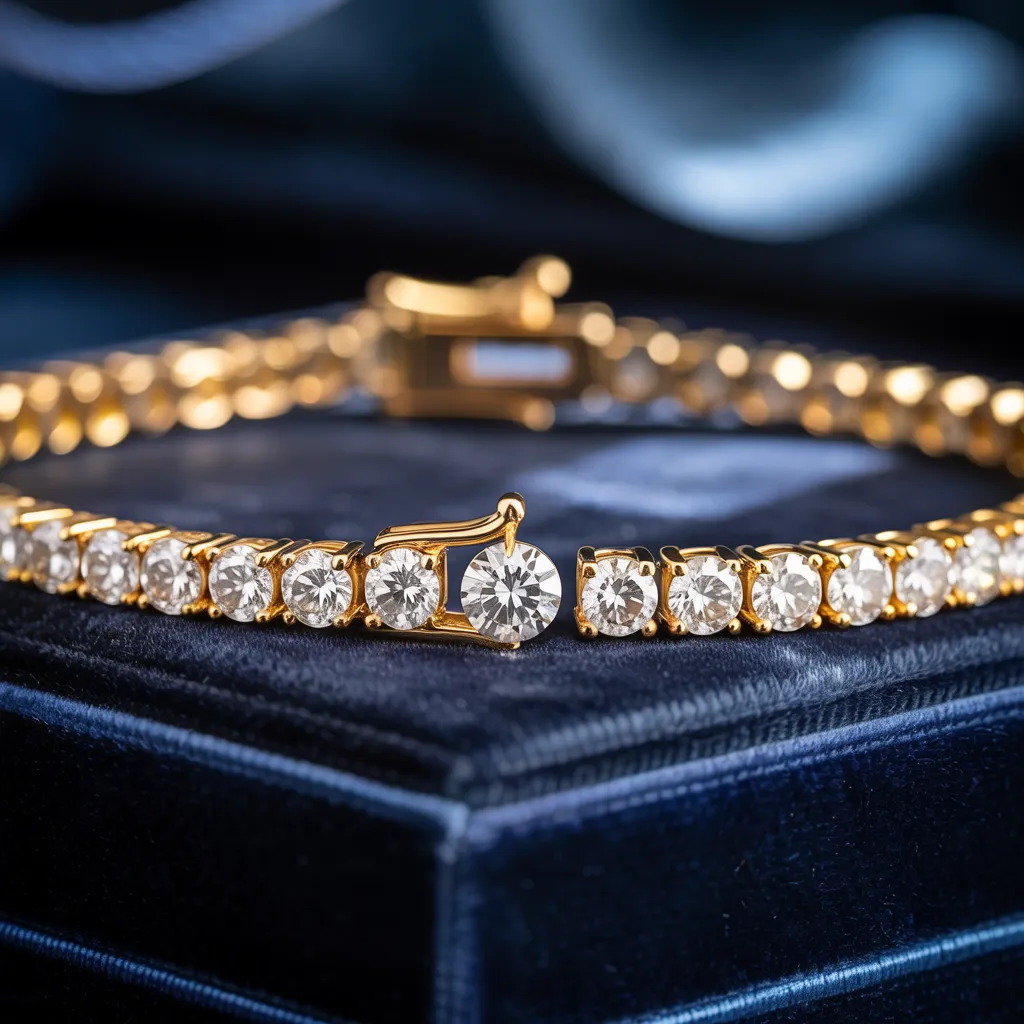
Exploring the Heritage and Symbolism of Tennis Bracelets
Tennis bracelets, known for their refined aesthetics and perpetual appeal, boast a captivating history that blends sporting culture and luxury. The name "tennis bracelet" achieved recognition in the 1980s when renowned tennis athlete Chris Evert distinctively wore one during a match at the US Open. When her bracelet broke, the match was suspended to search for it, attracting the attention of audiences and journalists equally. This incident secured the bracelet's association with the sport and evolved it into a sought-after accessory.
From a symbolic perspective, tennis bracelets embody both grace and resilience. Their endless line of diamonds or gemstones denotes unbroken love and commitment, making them preferred choices for gifts on important occasions. Over the years, these bracelets have evolved into a staple in jewelry collections, blending athleticism with sophistication. As a result, they have become much more than just sportswear; they exemplify a legacy of elegance and a celebration of timeless beauty.
Selecting the Best Materials: Diamonds vs. Gemstones
Picking the right materials for a tennis bracelet is crucial in achieving the desired look and personal significance. Diamonds are the traditional choice, renowned for their brilliance and durability. They symbolize timeless elegance and sophistication, making them a favored option for those seeking a luxurious statement piece. However, diamonds can be costly, which prompts some people to explore alternative materials.
Gemstones offer a brilliant array of colors and can showcase personal taste or birthstones, adding unique meaning to the bracelet. Options like sapphires, emeralds, or rubies can create a stunning contrast against the metal, enabling more creativity in design. While they may not have the same level of hardness as diamonds, many gemstones can still be ideal for everyday wear with proper care. Ultimately, the decision between diamonds and gemstones relies on personal choices, budget, and the desired emotional connection to the piece.
Discovering Various Styles and Designs
How can someone choose the perfect style for a tennis bracelet? The selections are plentiful and can greatly influence the general aesthetic. Timeless designs typically feature a single row of diamonds or gemstones, presenting a timeless elegance that suits equally casual and formal occasions. For those searching for a modern twist, multi-row bracelets include varied stone sizes and shapes, providing depth and intrigue.
Another popular style includes the bezel setting, where each stone is set within a metal frame, improving durability while delivering a contemporary flair. Additionally, some designs feature mixed materials, such as gold or platinum, which can generate a striking contrast with the stones.
It's also important to consider the color palette, as tennis bracelets are available in various hues, from timeless clear diamonds to striking gemstones. In the end, one's taste and lifestyle will determine the selection of the most suitable style, ensuring a perfect match for any individual.
Identifying the Ideal Length and Fit
Discovering the ideal length and fit for a tennis bracelet is crucial to provide both comfort and style. A correctly fitted bracelet should wrap around the wrist without being overly tight or loose, permitting easy movement. To determine the correct size, one can measure the wrist using a flexible measuring tape or a piece of string, marking the length and adding approximately half an inch for a comfortable fit.
Tennis bracelets typically range from 6.5 to 7.5 inches in length, designed for diverse wrist sizes. It is recommended to experiment with multiple lengths to discover which feels the most comfortable and looks most appealing. Moreover, consider the design; a more elaborate style may demand a marginally larger fit to guarantee it drapes stylishly. Ultimately, the perfect length and fit should complement the overall appearance while providing the comfort required for daily wear or special occasions.
Determining Your Budget: Expected Outcomes at Multiple Price Ranges
Determining a budget for a tennis bracelet demands an understanding of the different price ranges available in the market. Factors such as materials, craftsmanship, and brand reputation significantly influence the overall cost. It is crucial to weigh the value against quality to make an informed decision.
Comprehending Pricing Ranges
When setting a budget for a tennis bracelet, understanding the various price ranges is vital. Tennis bracelets typically range from $100 to over $10,000, depending on materials and craftsmanship. Lower-priced options often feature synthetic stones and simpler designs, appealing to budget-conscious buyers. Mid-range bracelets, usually priced between $500 and $2,500, often incorporate quality materials like sterling silver or gold plating with genuine gemstones. High-end bracelets, priced above $5,000, typically showcase top-tier materials like solid gold, platinum, and high-quality diamonds. Shoppers should evaluate their preferences and desired quality when setting a budget, as well as the sentimental value of the purchase. This understanding go now helps narrow down choices and secures a suitable match for individual tastes and financial capabilities.
Factors Affecting Cost
The price of a tennis bracelet can range considerably depending on several key factors. To begin with, the type of metal used greatly influences the price; options include everything from sterling silver to platinum. Secondly, the quality and size of the gemstones, most often diamonds, directly impact the cost. Bigger, premium-grade stones will elevate the price greatly. Furthermore, the craftsmanship and brand reputation play an important role; well-known designers often charge higher prices for their pieces. Moreover, the total carat weight of the diamonds impacts overall pricing, with heavier bracelets commonly costing more. Finally, market trends and demand can also influence prices, making it important for buyers to establish a realistic budget based on these influencing factors before making a purchase.
Quality vs. Value
Understanding the balance between value and quality is essential for anyone planning to acquire a tennis bracelet. Price points for these bracelets can vary significantly, affected by factors such as the materials used, craftsmanship, and brand reputation. Premium options often feature premium materials like diamonds set in solid gold or platinum, delivering exceptional quality and durability. Middle-tier choices may include sterling silver or gold-plated options, delivering a balance between affordability and quality. Cost-effective alternatives typically use synthetic stones or lesser-quality metals, which can compromise longevity. Ultimately, consumers should consider their priorities—whether it's the prestige of a luxury brand or the practicality of a more economical piece—to ensure they invest wisely without sacrificing their personal style or satisfaction.
Maintaining Your Tennis Bracelet: Expert Care Tips
Maintaining a tennis bracelet is vital to keeping its longevity and beauty. Consistent cleaning, safe storage, and knowledge about potential damage risks are crucial practices for any owner. By practicing these maintenance tips, one can be confident their bracelet remains as beautiful as the day it was bought.
Standard Cleaning Procedures
Keeping the radiance of a tennis bracelet requires consistent cleaning to stop dirt and oils from dulling its sparkle. It is suggested to clean the bracelet every few weeks, specifically if worn often. A gentle solution of warm water and mild soap can be effective; soaking the bracelet for a few minutes followed by a soft-bristled brush can help clear away persistent grime. After cleaning, washing thoroughly with clean water is essential to get rid of any soap residue. Patting dry the bracelet with a soft, lint-free cloth ensures no moisture remains, which could cause tarnishing. For additional care, professional cleaning and inspection once a year can help protect the integrity and shine of the tennis bracelet, maintaining its charm for years to come.
Safe Storage Practices
Keeping a tennis bracelet properly is crucial for protecting its beauty and stopping damage. It is wise to place the bracelet in a gentle pouch or a dedicated compartment of a jewelry box, ensuring it does not make contact with other pieces that may scratch or tarnish its surface. Additionally, one should refrain from storing the bracelet in wet or humid environments, as moisture can lead to tarnishing or breakdown of the materials. If the bracelet contains delicate stones, positioning it in a padded container will give extra protection. Regularly inspecting the storage area for dust or debris can also help sustain the bracelet's appearance. By adhering to these safe storage practices, one can guarantee the longevity and sparkle of a tennis bracelet.
Eliminating Damage Risks
Correct preservation reaches past protected storage techniques to purposefully evading damage hazards connected with wearing a tennis bracelet. To preserve its elegance and condition, people should avoid wearing the bracelet during exercise or when swimming, since these settings may subject it to aggressive substances or possible collisions. Additionally, it is crucial to avoid contact with lotions, perfumes, and cleaning products, which might stain or fade the metal and jewels. Frequently inspecting the fastener and mountings ensures that gemstones stay firmly in place and avoids loss. Polishing the bracelet softly with a tender cloth following use helps extract debris and oils, protecting its brilliance. By adhering to these straightforward recommendations, one can prolong the lifespan of their cherished tennis bracelet.
Frequently Asked Questions
How Can I Tell if a Tennis Bracelet Is Real?
To confirm a tennis bracelet's authenticity, one should examine the craftsmanship, look for reputable brand markings, assess the quality of materials used, and consider acquiring a certification or appraisal from a recognized jeweler.
Are Tennis Bracelets Resizable After You Buy Them?
Tennis bracelets can often be resized after purchase, based on the design and materials. A professional jeweler can assess the piece, deciding if changes can be implemented without undermining its appearance or integrity.
What Occasions Are Best for Wearing a Tennis Bracelet?
Tennis bracelets are ideal for elegant events, candlelit dinners, and sophisticated gatherings. They enhance everyday outfits and add elegance to important occasions, making them flexible accessories that complement everything from casual to upscale attire seamlessly.
Do Specific Insurance Options Exist for Tennis Bracelets?
Different insurance solutions exist for tennis bracelets, including specialized jewelry policies and renter's or homeowner's insurance that covers valuable items. It's recommended to consult an insurance agent to establish the optimal coverage adapted to personal needs.
How Should I Select Between a Vintage or Modern Tennis Bracelet?
Choosing between a vintage or modern tennis bracelet depends on personal style and preference. Vintage pieces often feature unique artistry and history, while modern designs may offer contemporary aesthetics and updated materials, catering to different tastes.