How to Find the Perfect Synthetic Diamond Ring: Your Comprehensive Guide
Choosing the right synthetic diamond ring involves several key factors. Understanding the Four Cs—cut, clarity, color, and carat weight—plays an important role in establishing quality. Moreover, personal style affects the choice of shape and setting. As ethical considerations attract attention, certified diamonds are increasingly in demand. With numerous elements to evaluate, maneuvering through these choices can be challenging. What steps should one take to secure a satisfying purchase?
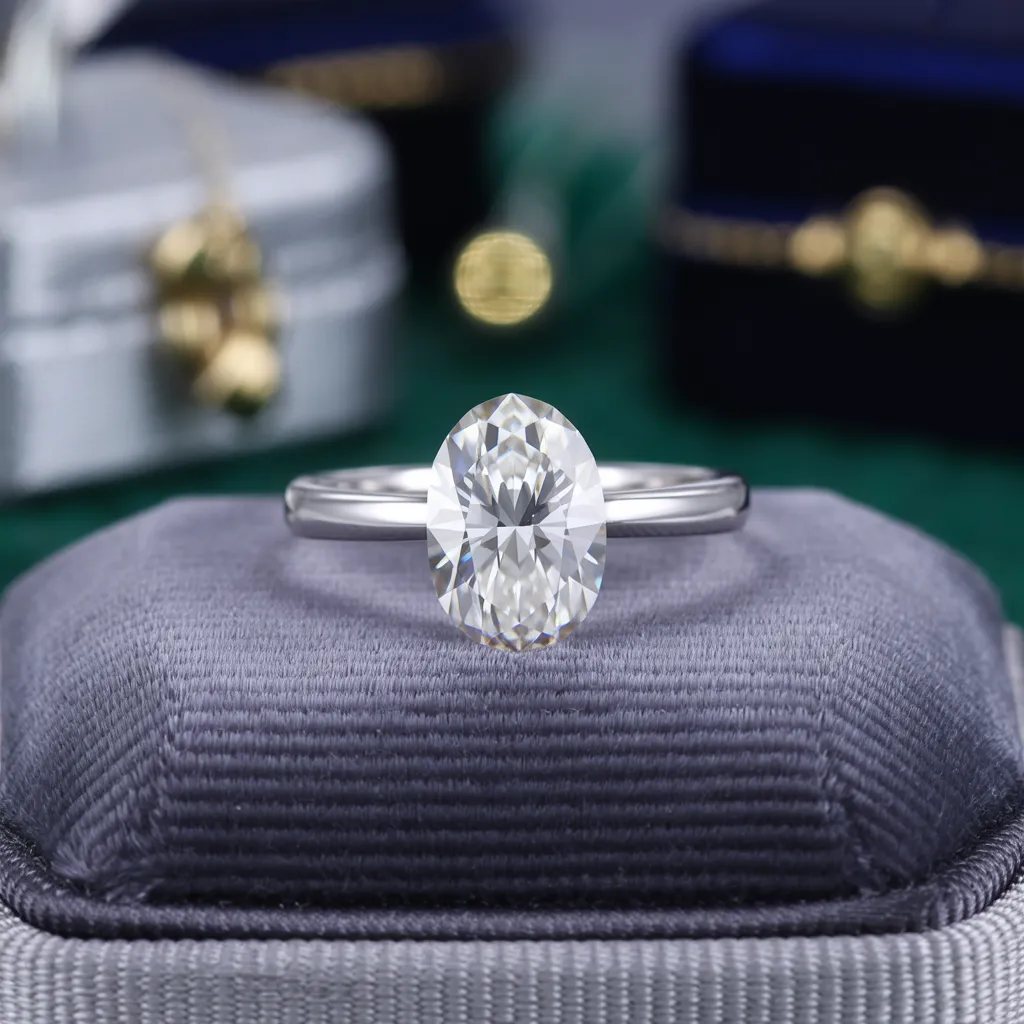
Grasping Man-Made Diamonds: Key Facts You Should Understand
Though numerous consumers are well-versed in natural diamonds, comprehending synthetic diamonds is vital for making educated purchasing decisions. Synthetic diamonds, also known as lab-grown or cultured diamonds, are produced using advanced technology that mimics the natural diamond formation process. These diamonds contain the same physical, chemical, and optical properties as their natural counterparts, making them identical to the naked eye. Significantly, synthetic diamonds are generally more budget-friendly, presenting a economical alternative for consumers searching for the beauty of diamonds without the premium price tag. Additionally, their production has a lesser environmental footprint in contrast to traditional diamond mining. As understanding grows, consumers are urged to research and consider synthetic diamonds as a feasible and responsible option for their jewelry needs.

The Four Cs of Diamonds: Carat, Color, Clarity, and Cut
The Four Cs of diamonds—cut, clarity, color, and carat—act as essential criteria for determining the quality and worth of both earth-grown and synthetic diamonds. The cut indicates how well a diamond has been formed and faceted, significantly affecting its radiance and sparkle. Clarity evaluates the existence of internal or external imperfections, with higher clarity resulting in a more precious stone. Color gauges the deficiency of color in white diamonds; the less color visible, the more sought-after the diamond. Lastly, carat weight indicates the size of the diamond, influencing both its visual appeal and price. Combined, these four properties provide a thorough framework for buyers to evaluate and compare synthetic diamonds successfully.
Selecting the Right Shape for Your Lab-Grown Diamond
Picking the perfect shape for a synthetic diamond is an important step in the ring design process. The shape not only impacts the aesthetic appeal but also represents the wearer's personality. Common shapes include round, princess, oval, emerald, and cushion, each offering different characteristics. Round diamonds, recognized for their brilliance, are a common choice, while princess cuts offer a modern edge. Oval and cushion shapes can create the illusion of larger carat sizes, appealing to those seeking a bold look. Additionally, the chosen shape can influence the overall setting and style of the ring. Consequently, individuals should consider their personal taste and lifestyle when picking the right shape to secure a timeless and meaningful piece.
Style Settings: Discovering the Ideal Mounting
When choosing a synthetic diamond ring, the setting style plays an important role in the overall aesthetic. Popular kinds of settings, combined with various metal choices, can considerably influence the ring's appearance and durability. Furthermore, customization options allow individuals to create a unique piece that reflects personal style and preference.
Favorite Setting Types
Picking the right setting type for a synthetic diamond ring can significantly enhance its overall appeal. Several popular setting styles cater to different tastes and preferences. The solitaire setting, featuring a single diamond, emphasizes simplicity and elegance, making it a timeless choice. The halo setting, which surrounds the central diamond with smaller stones, adds extra sparkle and creates the illusion of a larger center stone. For those seeking a vintage aesthetic, the vintage or antique setting incorporates detailed detailing and unique designs. The three-stone setting symbolizes the past, present, and future, making it a meaningful option. Additionally, the bezel setting encircles the diamond with a metal rim, providing a sleek and secure look. Each setting type offers distinct advantages to enhance the ring's beauty.
Metal Choices Explained
Choosing the right metal for a synthetic diamond ring plays a major role in determining its visual appeal and durability. Popular choices consist of white gold, yellow gold, rose gold, and platinum, with each providing distinct qualities. White gold provides a sleek, modern look and is often rhodium-plated for added brilliance. Yellow gold exhibits a traditional allure and inviting quality, whereas rose gold introduces an amorous accent with its blush-colored tone. Platinum, known for its strength and hypoallergenic properties, is ideal for those seeking longevity and a luxurious feel. In choosing a metal, individuals should additionally factor in personal taste, daily habits, and financial considerations, since these elements will influence the ring's look and care requirements. At last, the ideal metal accentuates the appeal of the synthetic diamond while aligning with the wearer's desires.
Personalization Choices Available
While exploring customization options for a synthetic diamond ring, one of the most crucial decisions revolves around selecting the setting style. The choice of setting not only impacts the ring's aesthetic but also its overall durability. Common styles include solitaire, which highlights a single stone, and halo, where smaller diamonds encircle the center gem for added brilliance. Three-stone settings symbolize past, present, and future, while pavé settings provide a continuous sparkle with diamonds set closely together. Furthermore, the choice of metal—such as white gold, yellow gold, or platinum—can further elevate the design. Each setting style provides unique advantages, allowing buyers to align their choice with personal preferences and lifestyle needs, confirming that the ring is both beautiful and practical.
Establishing Your Synthetic Diamond Ring Budget
When budgeting for a synthetic diamond ring, it is essential to establish a clear spending limit to avoid overspending. Purchasers must also evaluate the lasting worth of their purchase, since synthetic diamonds provide an economical option without compromising on quality. Considering these aspects will help secure a wise discover the facts financial determination.
Establish Your Budget
Creating a budget is a essential step in the process of choosing a synthetic diamond ring. It helps buyers to limit their options and concentrate on rings that fall within their financial constraints. When deciding on a spending limit, individuals should assess their complete financial situation, including income, savings, and any existing debts. It may be helpful to define a range rather than a fixed amount, providing flexibility in choices. Additionally, potential buyers should include other costs related to the purchase, such as setting, insurance, and maintenance. By thoroughly understanding their budget, individuals can make well-informed decisions, ensuring that they choose a synthetic diamond ring that meets both their aesthetic preferences and financial capabilities.
Think About Long-Range Value
Grasping the long-range value of a synthetic diamond ring is an essential aspect of budgeting. In contrast to natural diamonds, synthetic diamonds usually offer a more affordable price point, which can be desirable for budget-conscious consumers. However, it is vital to factor in aspects that impact extended value, such as the ring's quality, craftsmanship, and brand reputation. While synthetic diamonds may not retain their value in the same way as natural stones, they can still be a smart investment if chosen deliberately. Buyers should assess the possibility for resale and the ring's desirability over time. Ultimately, a well-chosen synthetic diamond ring can deliver lasting satisfaction, making it a valuable addition to any collection.
Ethical Standards and Professional Certifications
Ethical aspects hold a vital position in the decision-making process for consumers selecting synthetic diamond rings. Many buyers are attracted to synthetic diamonds due to their green production methods and the reduced ethical dilemmas linked to traditional mining practices. Certifications from credible organizations, such as the International Gemological Institute (IGI) or the Gem Certification and Assurance Lab (GCAL), deliver assurance about the authenticity and quality of synthetic diamonds. These certifications also help consumers validate that the diamonds are conflict-free, a vital factor for those concerned about the ethical implications of their purchase. By focusing on ethical considerations and seeking certified options, consumers can make well-informed choices that reflect their values while appreciating the beauty of synthetic diamond rings.
Looking After Your Synthetic Diamond Ring
Preserving the radiance of a synthetic diamond ring demands consistent care and attention. Owners should clean their rings on a regular basis to remove dirt and oils that can dull the stone's shine. A gentle solution of warm water and mild soap, along with a soft brush, is often effective. Avoid harsh chemicals that may damage the ring's setting or finish. It is also advisable to store the ring in a soft pouch or a separate compartment to avoid scratches from other jewelry. Periodic inspections by a professional jeweler can help guarantee that the setting remains secure and that the diamond is not at risk of becoming loose. By following these straightforward care tips, the synthetic diamond ring can remain radiant for years to come.
Your Questions Answered
Do Synthetic Diamonds Have Greater Durability Than Natural Diamonds?
Laboratory-created diamonds possess similar durability as natural diamonds, as they share identical carbon arrangements and hardness characteristics. Even so, elements such as quality and production methods may affect their total durability for particular uses.
How Can Synthetic Diamonds Influence Resale Value?
Lab-grown diamonds generally have decreased resale values in comparison to natural diamonds owing to market perceptions and demand. Their affordability and abundance further result in decreased resale potential, affecting sellers' returns on investment notably.
Can Synthetic Diamonds Be Certified?
Yes, synthetic diamonds can be certified. Recognized gemological facilities supply certification for lab-created diamonds, evaluating quality characteristics like cut, color, clarity, and carat weight, ensuring purchasers obtain trustworthy data about their diamond's quality and features.
What Is the Environmental Impact of Synthetic Diamonds?
Synthetic diamonds generally have a reduced environmental effect when compared with mined diamonds. Their production requires less land disruption, water usage, and energy, contributing to a more sustainable alternative for consumers mindful of ecological consequences and ethical sourcing.
How Do I Determine if a Diamond Is Synthetic?
Synthetic diamonds can be identified through its inclusion patterns, fluorescence when exposed to UV light, and sophisticated gemological analysis. Professional assessment is crucial, as lab-created diamonds can closely mimic natural ones in appearance.